Commercial sectors · Sittingbourne, ME10

Gym Flooring for Sittingbourne Fitness Facilities

Gym flooring in Sittingbourne for free weights, studios and cardio zones, specified for impact absorption and heavy daily use.

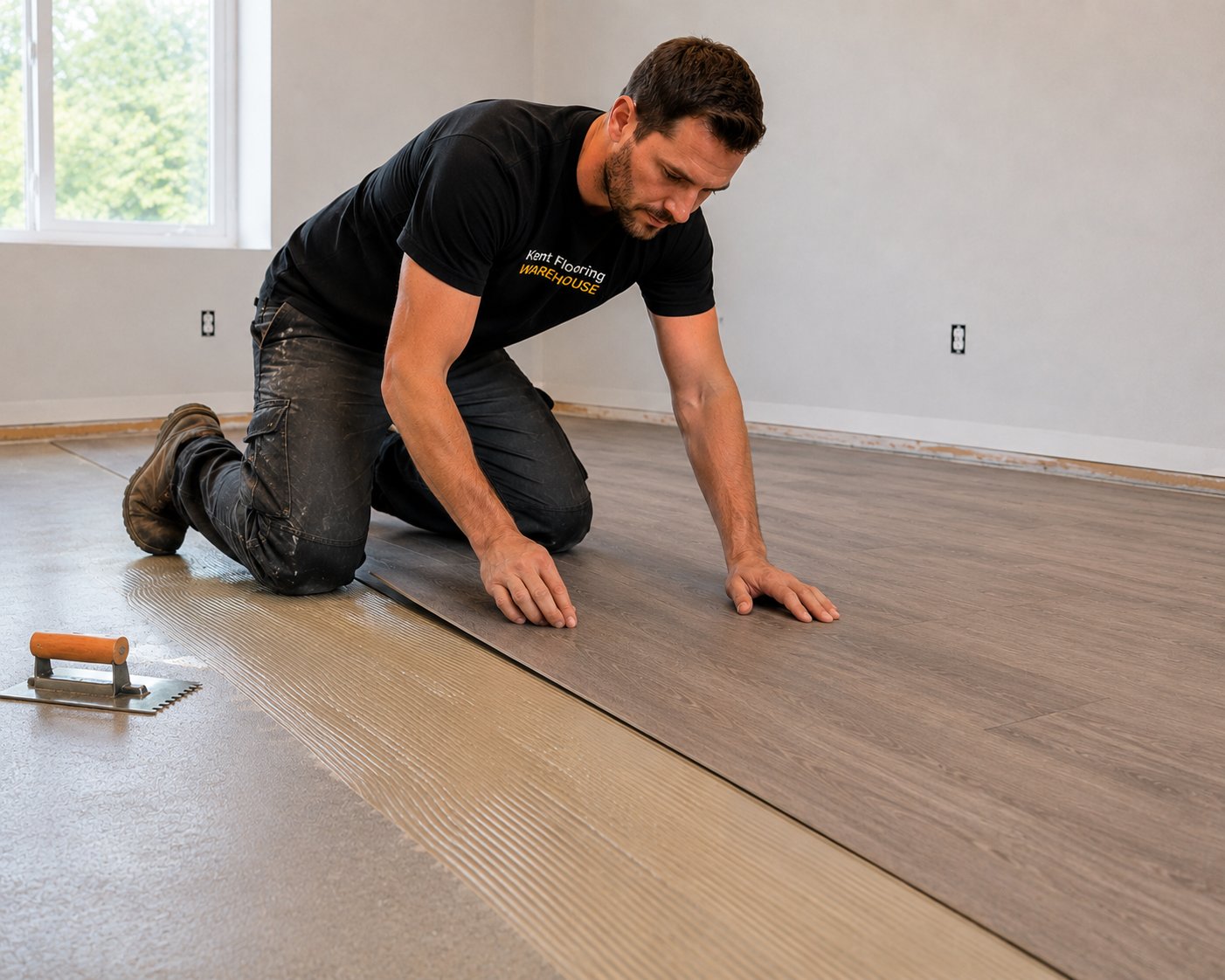
Gym Flooring finished on a Swale Borough Council property (corner to corner)
Commercial sector page — For gym owners and leisure facility managers in Sittingbourne specifying flooring for impact absorption, weight drops and mixed studio and equipment use.

Reception areas, staff corridors and back-of-house rooms in Sittingbourne rarely share a specification even within the same building near Murston. We treat each zone on its own merits rather than one product throughout.

A gym floor has to serve several very different zones under the same roof: free weights and drop zones where impact loads are extreme, studio floors used for group classes and movement work, and changing and reception areas that behave more like any other commercial space. One flooring type rarely covers all of them.

Sittingbourne premises: sector-specific notes

Reception areas, staff corridors and back-of-house rooms in Sittingbourne rarely share a specification even within the same building near Murston. We treat each zone on its own merits rather than one product throughout.

Reception areas, staff corridors and back-of-house rooms in Sittingbourne rarely share a specification even within the same building near Murston. We treat each zone on its own merits rather than one product throughout.

Studio and cardio zone flooring

Group exercise studios and cardio zones benefit from a resilient floor with some cushioning to support joints during repeated movement, without the surface being so soft that free weights or fixed equipment become unstable. Sprung or cushioned vinyl systems are commonly used in dedicated studio spaces.

  • Resilient or lightly cushioned flooring specified for group class and cardio areas
  • Equipment stability checked against any cushioned or sprung floor system before installation
  • Slip resistance considered where studios involve barefoot or sock-based classes

Changing rooms, showers and reception

Changing rooms and shower areas need a slip-resistant safety flooring given the constant presence of water and bare feet, while reception and circulation areas can generally be treated as a standard commercial space, prioritising appearance and durability over impact absorption.

  • Slip-resistant safety flooring specified for showers and wet changing areas
  • Coved skirting used in wet areas for a hygienic, easily cleaned wall junction
  • Commercial LVT or safety vinyl for reception and circulation areas

The running order on site

  1. Step 1

    Survey by zone

    Assess free weight, studio, cardio, changing and reception areas separately for their specific flooring demands.

  2. Step 2

    Specify impact and slip performance

    Match rubber thickness, cushioning or safety flooring slip resistance to each zone's actual use.

  3. Step 3

    Prepare the subfloor

    Level, clean and check for movement joints before laying rubber or resilient flooring.

Some of our recent work

Gym Flooring detail photographed on a Sittingbourne project (underside view)
Trims and beading cut ready for the Sittingbourne fit (on arrival)
Threshold and trim finish on completion (after fitting)

Our own photographs, used to show construction detail and finish. They are illustrative rather than tied to a specific property.

Questions the survey answers in Sittingbourne

  • Confirm rubber flooring thickness against the weights and drop heights used in Sittingbourne
  • Check for structural movement joints before laying rubber flooring
  • Establish whether studio flooring needs to support fixed or free equipment
Gym Flooring detail photographed on a Sittingbourne project (underside view)

Rubber flooring for free weight and drop zones

Areas where weights are lifted overhead or dropped need a rubber floor thick enough to absorb the impact, protect the subfloor structure, and reduce the noise transmitted to adjacent or lower floors. Thickness is specified according to the weights and drop heights expected in that zone, not as a single standard everywhere.

  • Rubber flooring thickness specified to the weight and drop-height demands of each zone
  • Interlocking rubber tiles or rolled rubber sheet depending on the layout and access needed
  • Impact and noise reduction considered together, particularly above occupied spaces below

How the relationship works

  • Subfloor preparation written into the quote rather than added later.
  • Supplied direct from our own warehouse stock.
  • One point of contact from survey through to the finished floor.
  • Old floor uplift and disposal agreed in writing before the fitting date.
  • Trims, thresholds and beading specified at survey, not chosen on the day.
Where we are

Unit 9, Matilda Close, Gillingham Business Park, Gillingham

We reach Sittingbourne via the A249, and cover the wider ME10 district as part of our normal round.

How far we travel for gym flooring

Estates and roads

  • Milton Regis
  • Iwade
  • Bapchild
  • Kemsley
  • Murston

Access routes

  • M2 Junction 5
  • A2
  • A249

Postcode district ME10, Swale Borough Council.

Trade estates

  • Eurolink Industrial Estate
  • Kent Science Park
  • Sittingbourne Retail Park

Questions from recent enquiries

How thick should gym rubber flooring be in Sittingbourne?

It depends on the weights and drop heights used in that zone. Heavier free weight and drop areas need thicker rubber than general training floors, and this is specified at survey.

Does rubber flooring reduce noise to rooms below?

Yes, rubber flooring absorbs impact and reduces noise transmission compared with a hard floor, which matters where a gym sits above or below other occupied space.

What flooring suits a group exercise studio?

A resilient or lightly cushioned vinyl is common in studio spaces, chosen to support joints during movement while still allowing stable footing and equipment placement.

Do changing rooms need safety flooring?

Yes, changing rooms and showers generally need a slip-resistant safety flooring because of the constant presence of water and bare feet.

Bottom line

Gym flooring in Sittingbourne is specified zone by zone, from rubber weights areas to studio vinyl and safety flooring in wet rooms.

Book a gym flooring survey in Sittingbourne

A free, no-obligation survey covers weights zones, studios, changing rooms and reception.

Free quote