LVT vs Engineered Wood
Choosing between LVT and engineered wood? Compare looks, water tolerance, refinishing and lifespan before you buy.
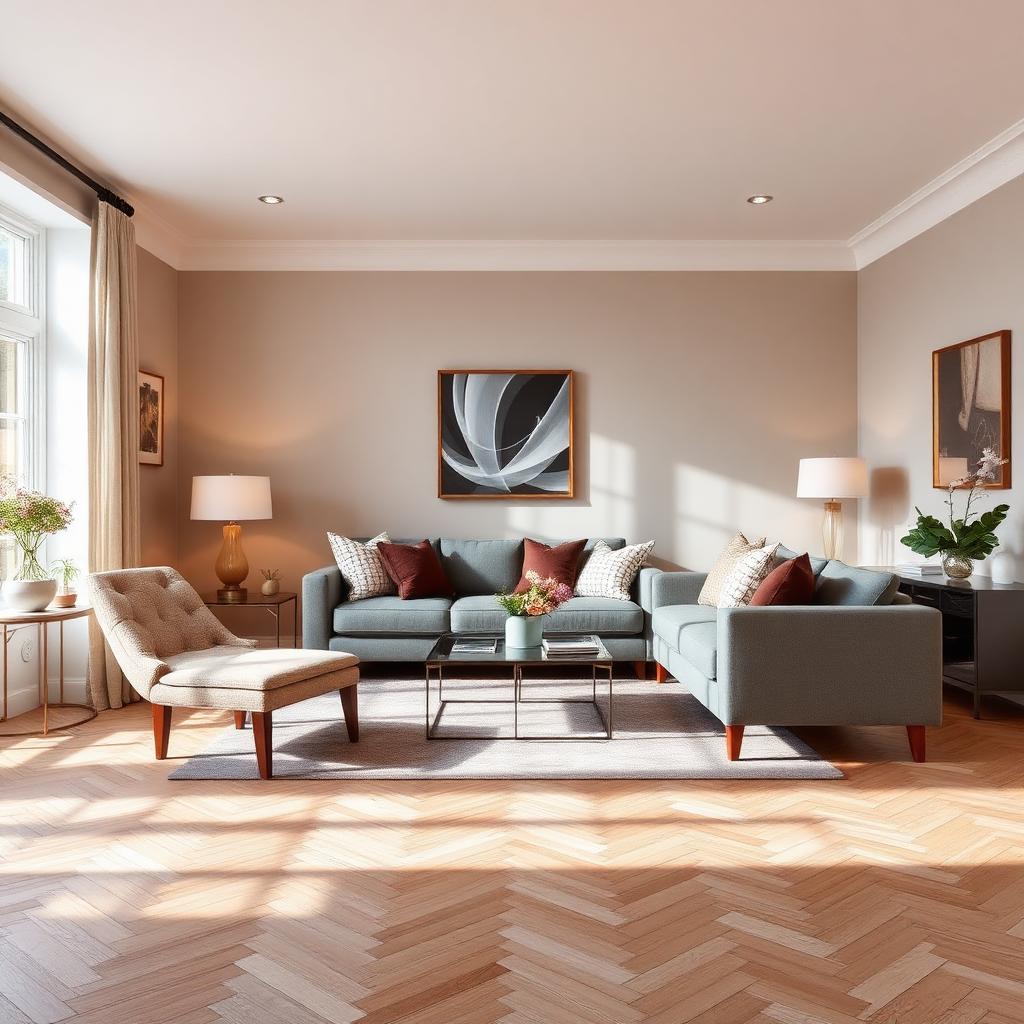
Engineered wood and LVT can look remarkably similar in a photograph, and both are sold in wide plank, wood-effect formats — but they're fundamentally different products with different strengths.
This comparison comes up most often with customers who want a genuine timber floor in a living room but are also flooring an adjoining kitchen or hallway and need something more resilient there.
Cost is another area where assumptions can mislead: premium engineered wood with a thick, refinishable veneer sits well above most LVT, but entry-level engineered wood with a thin veneer can actually come in close to mid-range LVT, without offering much scope for future sanding. It's worth asking specifically about veneer thickness rather than judging by price band alone.
What you're actually buying
Engineered wood has a real hardwood veneer bonded to a plywood or HDF base, so the surface you see and feel is genuine timber. It can be sanded and refinished a limited number of times over its life.
LVT is a printed vinyl product — an extremely convincing photographic layer under a protective wear coat. It cannot be sanded, but it also cannot warp, cup or fade the way timber can.
Long-term value and lifespan
A well-maintained engineered wood floor can last decades and be refreshed by refinishing, which is a genuine long-term investment for a forever home.
LVT has an excellent lifespan for a resilient floor, but when it eventually needs replacing, the whole area is replaced rather than refinished.
Moisture, spills and humidity
- Engineered wood tolerates household humidity better than solid wood but is still vulnerable to standing water and shouldn't go in wet rooms.
- LVT is unaffected by surface water and is our recommendation for kitchens, boot rooms and anywhere spills are routine.
- Both floors need proper acclimatisation before fitting, though wood is considerably more sensitive to this.
Cost and installation comparison
| Attribute | LVT | Engineered Wood |
|---|---|---|
| Water resistance | Waterproof | Moisture-tolerant, not waterproof |
| Refinishing | Not possible | Can be sanded/refinished a few times |
| Underfloor heating | Suitable (check spec) | Suitable with correct product |
| Guide cost band (supplied & fitted) | ££ to £££ | £££ to ££££, guide only |
Underfoot feel and acoustics
Engineered wood has a natural warmth and slight give that many customers describe as feeling 'more like a proper floor', with a subtle timber resonance when walked on.
LVT feels warmer than tile but flatter than wood; a good acoustic underlay closes most of the gap in comfort and sound.
Which one for which room
For a hallway, kitchen or a busy family home where practicality matters most, LVT typically wins on resilience and lower long-term maintenance.
For a living or dining room where authenticity and long-term character matter more than waterproofing, engineered wood is usually the better investment.
Acclimatisation and fitting realities
Engineered wood needs to sit in the room it's being fitted in, out of its packaging, for a period specified by the manufacturer — often at least 48 hours, sometimes longer in winter — so the timber can settle to the room's temperature and humidity before it's fixed down. Skipping this is one of the most common causes of movement problems later.
LVT is far less sensitive to acclimatisation, though we still recommend leaving boxes in the room for a short period before fitting, particularly in colder months, so the planks aren't fitted stone cold and then expand once the heating comes on.
Maintenance routines differ too: engineered wood benefits from occasional re-oiling or re-lacquering depending on its finish, plus care to avoid excess water when cleaning, whereas LVT needs little more than a damp mop and the odd application of a manufacturer-approved maintenance product to keep its wear layer looking sharp for years.
Frequently asked questions
- Can engineered wood go in a kitchen?
- It can, but only with careful maintenance and away from sinks and dishwashers where standing water is likely. Many customers choose LVT for kitchens and reserve engineered wood for adjoining living spaces.
- Does LVT scratch as easily as wood?
- LVT's wear layer is generally more scratch-resistant than a wood veneer's lacquer finish, though very sharp or dragged furniture can mark either floor. Felt pads under furniture legs help with both.
- Is engineered wood worth the extra cost?
- If you value being able to refinish the surface over the years and want a genuine timber floor, yes — it's a longer-term investment. If practicality and budget matter more, LVT delivers a very similar look for less.
- Can both be fitted on the same subfloor?
- Both can generally be fitted over suitable timber or concrete subfloors once prepared, though engineered wood is more particular about moisture levels in concrete. We test and prepare subfloors as part of every job.
Keep reading
LVT or laminate? Compare water resistance, feel underfoot, durability and guide costs to pick the right floor for your room.
Laminate looks like wood but isn't — compare it against real engineered wood on feel, longevity and value.
Herringbone or straight plank LVT? Compare visual impact, waste, fitting time and cost for your layout.
See how we survey, prepare and fit LVT across Kent.
See how we survey, prepare and fit engineered wood across Kent.
Talk it through with a fitter, not a call centre
Bring us your room measurements and we'll arrange a free survey to show you both LVT and engineered wood samples in situ — call 07702 737267.