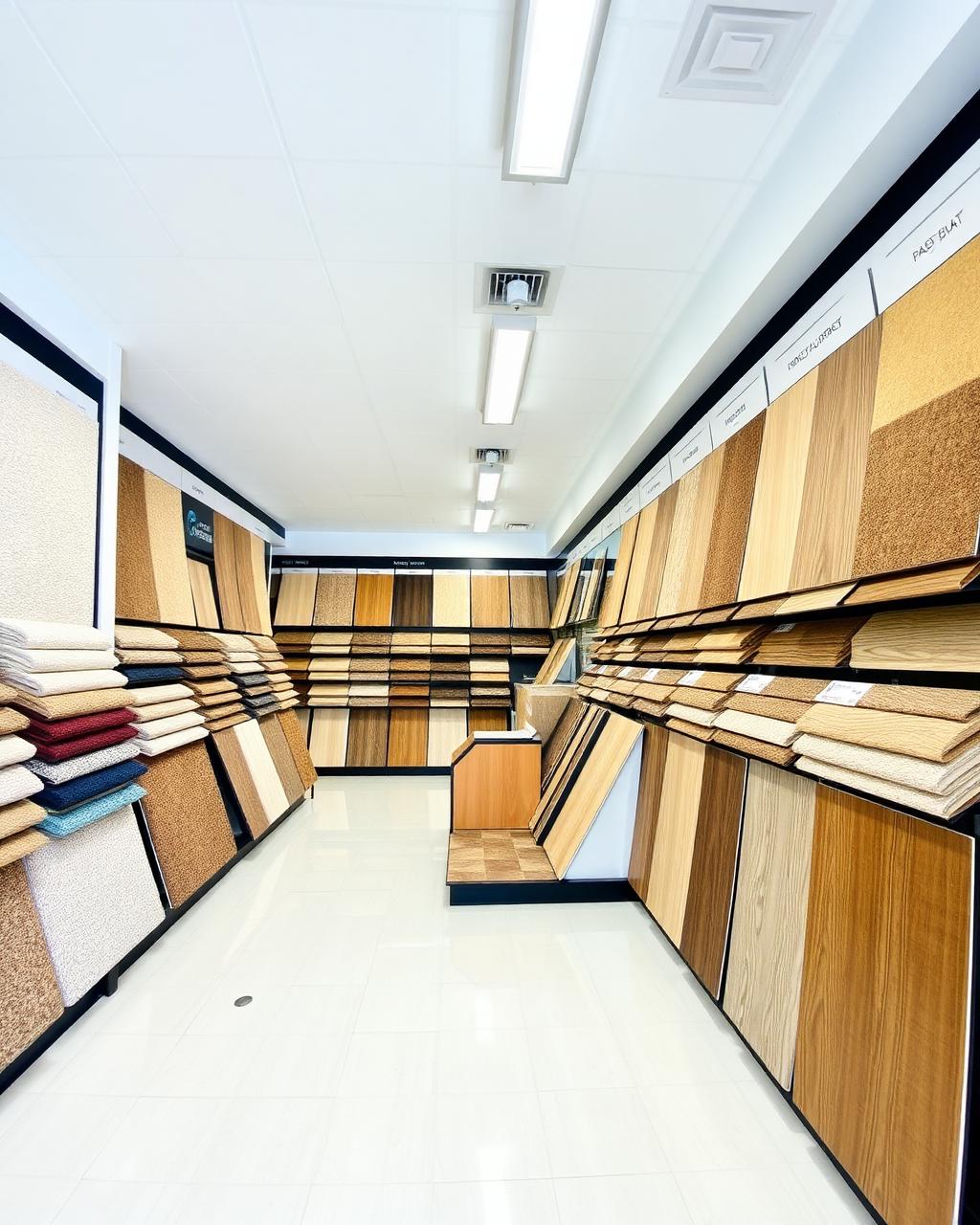
Flooring guides written by the team that fits the floors.
101 practical guides on choosing, costing, specifying and repairing floors — no fluff, no sales spin.
Compare your options
Side-by-side breakdowns of the floors people weigh up most, with the practical trade-offs that matter once it's fitted.
LVT or laminate? Compare water resistance, feel underfoot, durability and guide costs to pick the right floor for your room.
Choosing between LVT and engineered wood? Compare looks, water tolerance, refinishing and lifespan before you buy.
Deciding between carpet and LVT for a bedroom? Compare warmth, comfort, allergies and upkeep before you commit.
Sheet vinyl or LVT — which suits a wet room, kitchen or busy hallway best? Compare seams, looks and cost.
Laminate looks like wood but isn't — compare it against real engineered wood on feel, longevity and value.
Click LVT or glue-down LVT? Compare stability, feel, subfloor needs and cost before choosing your fitting method.
Fitting out an office or commercial unit? Compare carpet tiles and broadloom carpet on cost, downtime and wear.
Safety flooring or standard vinyl — know the difference in slip resistance, compliance and where each belongs.
A runner or full stair carpet? Compare looks, cost and maintenance for your staircase before choosing.
Foam, rubber, fibre or PU underlay: which feels softest, which quietens a flat, which lasts on stairs, and which one suits underfloor heating in your home.
Wool or polypropylene carpet — compare feel, stain resistance, price and durability before you choose.
Herringbone or straight plank LVT? Compare visual impact, waste, fitting time and cost for your layout.
Contract-grade or domestic carpet — understand construction, durability and where each is actually needed.
A three-way comparison of carpet, LVT and laminate on wear, water, comfort, noise, subfloor demands, fitting time and long-term cost, with the weaknesses left in.
How solid and engineered wood differ on stability, subfloor, underfloor heating, refinishing, cost and lifespan, and which suits a Kent home better.
Specifying an office floor? Compare carpet tiles and LVT on noise, cable access, cleaning, downtime and what the subfloor allows.
Choosing dining room flooring: how LVT, laminate, engineered wood and carpet cope with chairs being pulled out, food spills and a table that never moves.
Costs and quotes
How flooring is priced, what moves a quote up or down, and what a measured written quote should include.
A plain-English breakdown of what goes into a per-m² flooring price, with guide-only UK cost bands for materials, fitting and extras.
Carpet, underlay, gripper, door bars and stairs: what each line on a carpet fitting quote covers, why stairs cost more, and where the money really goes.
What drives the price of LVT flooring — click vs glue-down, tile thickness, subfloor prep and fitting labour — with guide-only UK cost ranges.
How commercial flooring projects are costed — area, product spec, subfloor, phasing and out-of-hours work — with guide-only UK price bands.
What subfloor preparation involves and what it typically costs — levelling compound, damp treatment, plywood overlay — guide-only UK ranges.
The real cost differences between buying flooring supply-only and using supply-and-fit, including risks, warranties and guide-only price bands.
The genuine reasons a flooring quote can move after a site survey — subfloor condition, access, room shape — and how to avoid nasty surprises.
Realistic installed costs for carpet, LVT, laminate, vinyl and wood in Kent homes, including underlay, preparation, uplift and the extras quotes often hide.
A room by room budget for flooring a Kent three bedroom house, with realistic totals for budget, mid range and premium specifications and where to spend first.
What sheet vinyl really costs installed, how cushioned, felt-backed and safety vinyl differ in price, and why preparation is the biggest variable in a vinyl quote.
How carpet is priced per square metre or square foot, how to convert between the two, and why the room size on your quote is bigger than the floor itself.
What decides the cost of laminate flooring fitted: board grade and thickness, room shape, underlay, subfloor work, trims and removing the old floor.
Materials and specification
Wear layers, underlays, adhesives, screeds and moisture — the specification detail behind a floor that lasts.
What proper subfloor preparation involves before new flooring goes down, why it matters, and what our fitters check on survey day.
Screed flooring before LVT, vinyl or laminate: how latex self-levelling compound works, when it's needed, and how it differs from sand-cement screed.
Why plywood overlay boarding is used over timber subfloors before fitting vinyl or LVT, and how it differs from screeding.
Which flooring types work well over underfloor heating, thermal considerations, and how commissioning affects fitting timescales.
How moisture testing of floors works before new flooring goes down: meters, hygrometer and carbide tests on concrete, what readings mean and what happens next.
Why flats often need acoustic underlay for sound insulation, how ratings work, and what to check before choosing flooring.
How LVT wear layer thickness and AC/commercial use class ratings relate to durability, and which specification suits which room.
A plain-English guide to carpet fibre types, pile weight and underlay tog values, and how they affect feel and durability.
A guide to the main flooring adhesive types used for LVT, vinyl, wood and carpet, and why the right choice depends on the subfloor.
Which floors survive a front-door hallway: grit, wet shoes, pushchairs and a narrow run that shows every join. Materials, layout and matting compared.
Water, steam and dropped pans decide kitchen and bathroom floors. How sheet vinyl, LVT and safety flooring compare, plus sealing, falls and appliance detail.
Claw scratches, accidents, spills and slips. Which floors cope with dogs, cats and young children, which fail early, and the detail that keeps them safe.
Whether carpet can go over underfloor heating, the tog limits that matter, how underlay choice changes output, and when a hard floor is the better answer.
How wet and electric underfloor heating differ for flooring choice, build height, response time and which floor coverings suit each system.
A maintenance routine for luxury vinyl tile: what to use, what destroys the wear layer, how to treat scuffs and how to protect it from furniture and grit.
Vacuuming, shading, shedding, stain removal and professional cleaning explained, so a new carpet still looks right after five years of family use.
How to clean laminate without damaging the joints, deal with chips, scratches and swollen boards, and replace a single plank in a floating floor.
Cleaning, humidity control, oiled against lacquered finishes and how many times an engineered wood floor can actually be sanded back.
Carpet, LVT, laminate or wood in a bedroom: warmth, sound, allergies, cost and how the choice changes for a child's room, a guest room or a loft bedroom.
Choosing between carpet, LVT, engineered wood and laminate in a lounge, covering warmth, acoustics, log burners, pets and how the room is actually used.
Why conservatories destroy the wrong flooring: temperature swings, sunlight, condensation and slab movement, and the floors that actually cope.
Flooring a utility room around washing machines, leaks, heavy appliances and wet boots, with the detailing that stops water getting under the floor.
Choosing flooring for a home office or garden room study, covering chair castors, acoustics for video calls, static, comfort and cable management.
Flooring a loft conversion: deck construction, impact sound to the room below, access for materials, build height at the stair head and the safest choices.
Running one floor through kitchen, dining and living areas: expansion, zoning, transitions, levels between old and new, and where a single material stops working.
Quoted for levelling or boarding before a new floor? Here is how latex compound and plywood overlay differ and which your subfloor needs.
What underlay is, what it is made of, what it does under carpet, laminate and LVT, and when a floor needs none at all. A plain answer before you buy.
Safety flooring explained simply: what makes it slip resistant, how it differs from standard vinyl, and the kitchens, washrooms and wet areas it is used in.
LVT explained for first-time buyers: how luxury vinyl tile is built, click versus glue-down fitting, wear layers, and which rooms it suits best in a home.
The main types of vinyl flooring explained: cushioned sheet, LVT tiles and planks, commercial sheet and slip rated safety vinyl, with where each works best.
How to choose LVT flooring: wear layer and rating, click or glue down, plank, tile or herringbone, underfloor heating, brands and what to check on samples.
How the work is done
Our fitting methods explained, so you know what happens in your property before, during and after installation.
How gripper-rod carpet fitting compares with fully bonded double-stick fitting, and which method suits which room or setting.
What seam welding is, why it's used on sheet vinyl in wet areas and commercial settings, and how it differs from a standard seam.
What skirting, beading and transition trims do at the edges of a new floor, and when each type is used for a neat finish.
A realistic timeline of what to expect on the day your new flooring is fitted, and how to prepare your home beforehand.
Measure a room for carpet, LVT or laminate without ordering short: roll widths, waste allowance, doorways, stairs and the mistakes that cost a second delivery.
Realistic timings for carpet, LVT, laminate and vinyl fitting, including subfloor drying times, stairs, whole houses and what delays a job on the day.
A room by room checklist for the days before your flooring is fitted: furniture, doors, appliances, decorating order, parking and what fitters need on site.
What to ask before hiring a flooring fitter in Kent: quotes, preparation, insurance, guarantees, payment terms and the warning signs worth walking away from.
What a flooring warranty actually covers, the difference between product and workmanship cover, common exclusions and how to keep a claim valid.
How to get the most from a flooring showroom visit or a mobile showroom at home: what to bring, which questions to ask and what happens after you choose.
How a stair runner is installed, from measuring and choosing fixings to fitting each tread, plus how to prepare the staircase and how long the job normally takes.
How laminate flooring is installed, step by step: acclimatising boards, levelling, underlay, expansion gaps, doorways and finishing trims, plus common mistakes.
How sheet vinyl is fitted in a home: clearing the room, preparing the base, templating, adhesive or loose lay, seams, sealing edges and when you can use it.
How real wood flooring is installed: acclimatising boards, moisture checks, floating, glued or secret nailed methods, expansion gaps and finishing.
How carpet tiles are installed in offices and homes: preparing the floor, tackifier, setting out from the centre, pile direction, cutting in and replacing tiles.
Problems and repairs
Diagnose what has gone wrong with an existing floor, what causes it, and what a lasting fix actually involves.
Why LVT planks or tiles curl, peel or lift at the joints, and how our fitters diagnose and put it right.
Why laminate boards separate over time and how we close the gaps or refit the floor correctly.
What it means when our survey uncovers a damp or uneven subfloor, and how we prepare it properly.
Why timber floorboards squeak or feel uneven underfoot, and how we sort it before new flooring goes down.
The causes of loose, rippled or bubbling carpet and the re-stretching or re-fitting process to correct it.
How to tell whether a tired, stained carpet can be professionally cleaned or genuinely needs replacing.
How to assess vinyl or laminate after a leak or flood, and when repair versus full replacement makes sense.
Why engineered wood floors cup, crown or gap, and the humidity and subfloor fixes that resolve it.
Why threshold strips lift, trip or gap between rooms, and how to get transitions between floors right.
Why doors stick or catch once a new floor goes down, and the straightforward fix for it.
Why hard floors in flats transmit footstep noise to the flat below, and how acoustic underlay helps.
How to tell if a new screed is dry enough for flooring, and what happens if it isn't yet ready.
Why stair nosings wear through and carpet comes loose on stairs, and how to fix both safely.
Thin gaps opening between vinyl planks usually mean movement, temperature swing or a bond that never took. Here is how to tell which.
A hollow or drummy noise underfoot means the covering is not in full contact with the base. Here is what causes the void and how it is closed.
Lumps, ridges and old joint lines telegraphing through a vinyl floor come from the base below. What causes it and what removes it.
Visible carpet joins, peaking seams and fraying edges have specific causes in fitting and layout. What went wrong and what can be corrected.
Black streaks and scuffs on commercial vinyl are usually rubber transfer, not damage. How to tell, how to remove them and how to stop them.
Sectors and property types
Specification guidance for landlords, HMOs, care, education, offices, retail and hospitality projects.
How landlords should specify flooring for rental properties — durability, cleanability, void turnaround and cost-per-tenancy considerations.
Flooring considerations specific to HMOs — heavier footfall, communal areas, acoustic issues between rooms, and quick-turnaround repairs.
Key flooring considerations for care homes — slip resistance, wheelchair and trolley use, infection control and low-disruption fitting.
Flooring considerations for schools and nurseries — durability, slip resistance, acoustics and fitting around term-time schedules.
What to think about when specifying flooring for an office refurbishment — footfall zoning, acoustics, cabling and phased fitting.
Flooring considerations for retail and hospitality venues — footfall, brand image, slip resistance and out-of-hours fitting around trading.
Commercial vinyl flooring explained: sheet, safety vinyl and LVT for workplaces, what each suits, how it is laid and why the subfloor decides how well it performs.
What a commercial flooring contractor does from survey to handover: paperwork, out of hours programmes, subfloor work and the questions worth asking first.