Commercial sectors · Whitstable, CT5

Restaurant and Cafe Flooring for Whitstable

Restaurant and cafe flooring in Whitstable, from hygienic kitchen safety flooring to durable LVT for the dining floor.

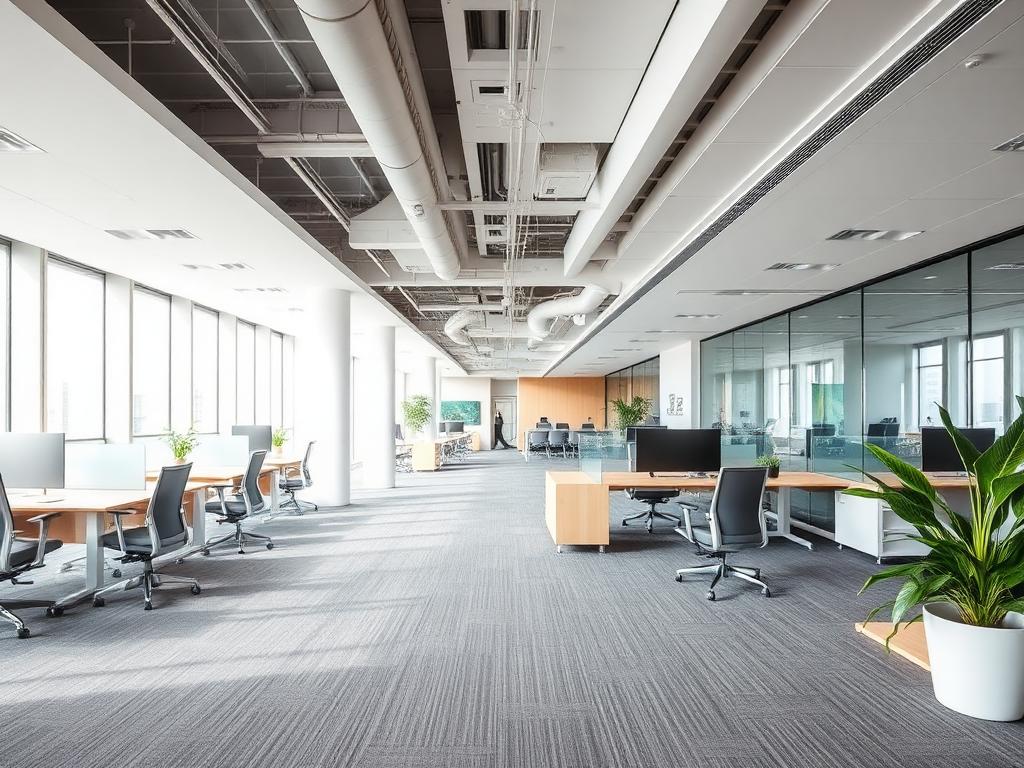
A Whitstable floor after restaurant and cafe flooring (across the room)
Commercial sector page — For restaurant and cafe owners in Whitstable specifying flooring for grease, hygiene and heavy front-of-house footfall.

A commercial kitchen floor lives with grease, water, dropped food and constant cleaning, often several times a shift. It needs a slip resistance rating suited to wet and greasy conditions, not just a standard non-slip claim, and a build-up that copes with steam cleaning without failing at the seams.

Whitstable Harbour is one of the commercial areas we serve in Whitstable, and this sector is well represented there. Out-of-hours access is normal for us rather than an exception, and we plan the crew around opening times, not the other way round.

Whitstable premises: sector-specific notes

Whitstable Harbour is one of the commercial areas we serve in Whitstable, and this sector is well represented there. Out-of-hours access is normal for us rather than an exception, and we plan the crew around opening times, not the other way round.

Whitstable Harbour is one of the commercial areas we serve in Whitstable, and this sector is well represented there. Out-of-hours access is normal for us rather than an exception, and we plan the crew around opening times, not the other way round.

Durable LVT and vinyl for the dining floor

Front-of-house dining areas need a floor that looks the part while standing up to continuous footfall, dropped cutlery and spilled drinks. Commercial-grade LVT or vinyl gives a wide choice of finishes without sacrificing the wear resistance a busy dining room demands.

  • Commercial wear layer specified for continuous customer and staff footfall
  • Stain and spill resistance suited to food and drink spillage rather than general domestic use
  • Colour and finish chosen to fit the front-of-house design without compromising durability
Toilets and back-of-house areas

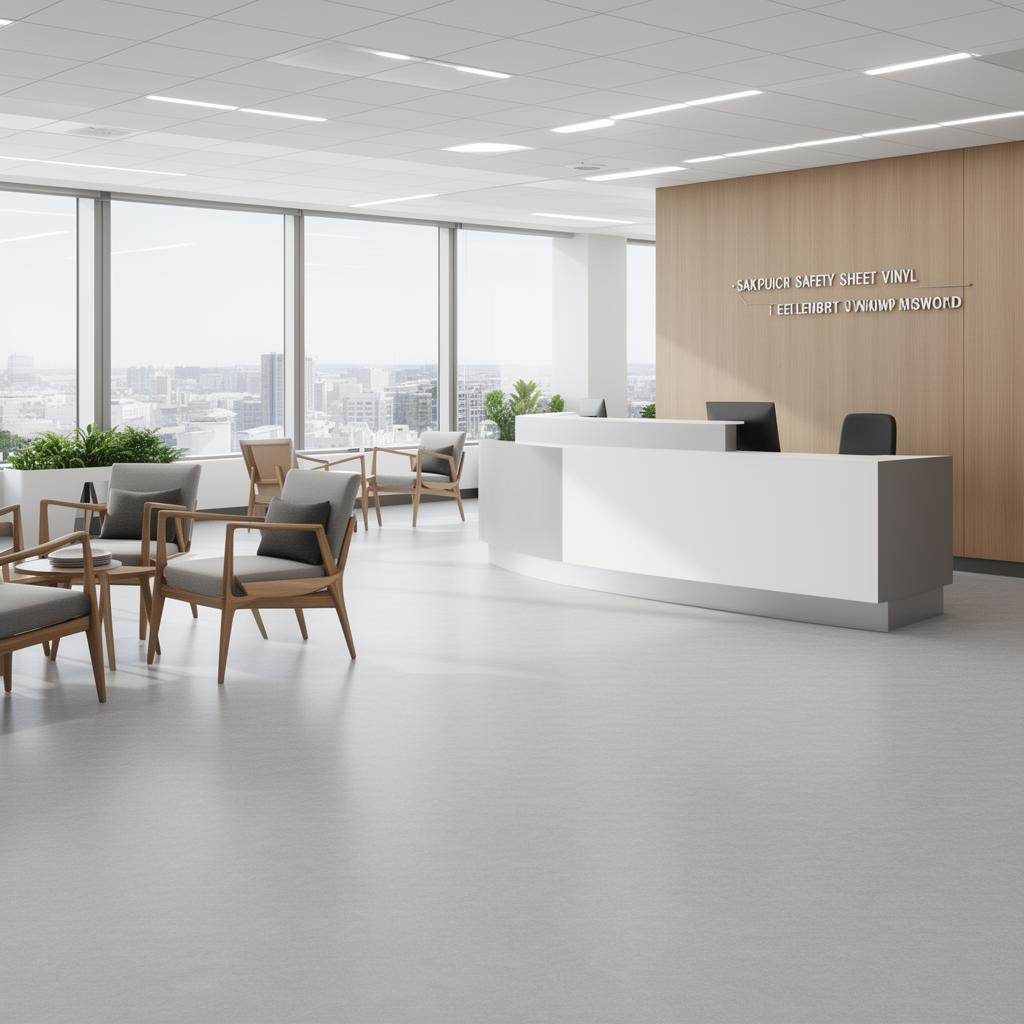
Customer toilets and staff back-of-house areas need the same hygiene-led approach as the kitchen, if not always the same grease resistance, with safety flooring and coved skirting commonly specified throughout wet and food storage areas.

  • Safety flooring and coved skirting specified in customer and staff toilets
  • Cold store and dry store areas floored for durability under trolleys and racking

The route from quote to completion

  1. Step 1

    Survey kitchen and front-of-house separately

    Assess grease, water and slip conditions in the kitchen distinct from footfall and appearance needs in the dining area.

  2. Step 2

    Specify safety flooring for wet areas

    Match slip resistance rating, seam welding and coved skirting to the kitchen and toilets.

  3. Step 3

    Specify durable LVT for dining

    Choose a commercial wear layer and finish suited to customer footfall and spillage.

Photographs from the round

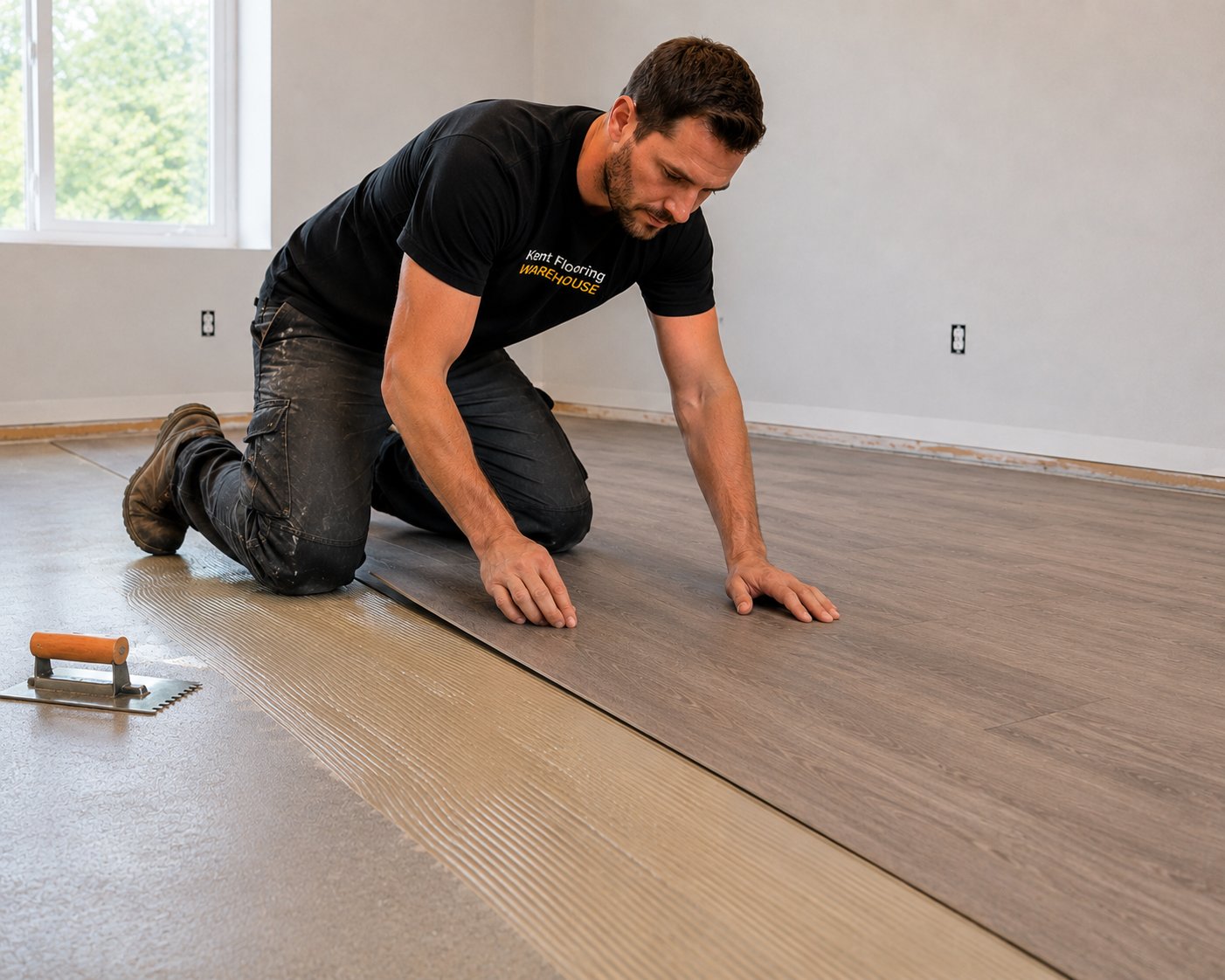
Restaurant and Cafe Flooring detail photographed on a Whitstable project (close detail)
Materials acclimatising on site in the CT5 area (first visit)
Site left clean after restaurant and cafe flooring in Whitstable (job finished)

Our own photographs, used to show construction detail and finish. They are illustrative rather than tied to a specific property.

The detail we record on site

  • Confirm the slip resistance rating suits wet and greasy kitchen conditions, not just general use
  • Check coved skirting is specified throughout the kitchen and toilets in Whitstable
  • Establish whether kitchen and dining flooring can be phased separately to keep trading
Restaurant and Cafe Flooring detail photographed on a Whitstable project (close detail)

Grease-resistant safety flooring in commercial kitchens

Kitchen floors need a safety flooring genuinely rated for wet and greasy conditions rather than a general-purpose slip-resistant vinyl, since standing water and fat are a routine part of a working kitchen rather than an occasional hazard. This is specified and fitted with the environmental health requirements of a working kitchen in mind.

  • Safety flooring specified with a slip resistance rating suited to wet and greasy conditions
  • Hot-welded seams so the kitchen floor is fully sealed and cleanable
  • Coved skirting throughout the kitchen to remove hard-to-clean wall junctions
  • Chemical resistance checked against the kitchen's actual cleaning and degreasing products

Working practices you can expect

  • One point of contact from survey through to the finished floor.
  • Old floor uplift and disposal agreed in writing before the fitting date.
  • Trims, thresholds and beading specified at survey, not chosen on the day.
  • Written quotation setting out materials, preparation and fitting separately.
  • Showroom visits welcome if you would rather see full rolls and boards in person.
Where we are

Unit 9, Matilda Close, Gillingham Business Park, Gillingham

We reach Whitstable via the A299 Thanet Way, and cover the wider CT5 district as part of our normal round.

The Whitstable patch we work daily

Our usual round

  • Tankerton
  • Swalecliffe
  • Chestfield
  • Seasalter

Approach roads

  • A299 Thanet Way
  • A290

Postcode district CT5, Canterbury City Council.

Shops and offices

  • Whitstable Harbour
  • Estuary View
  • High Street

The answers most people want first

What flooring is used in commercial kitchens in Whitstable?

Safety flooring with a slip resistance rating suited to wet and greasy conditions is standard, usually with hot-welded seams and coved skirting for a fully sealed, cleanable surface.

Can the kitchen and dining area be floored separately?

Yes, phasing the work between kitchen and dining areas can let part of the business keep trading while the rest is being floored.

Why is coved skirting used in restaurant kitchens?

It removes the hard right-angle junction between floor and wall, which otherwise collects grease and dirt and is harder to clean thoroughly, and is a common requirement in food hygiene inspections.

Can flooring be fitted overnight to avoid closing?

Yes, overnight and closed-day fitting is common in hospitality, with fast-curing adhesives used where the reopening deadline is tight.

The short version

Restaurant and cafe flooring in Whitstable covers grease-resistant kitchen safety flooring and durable dining LVT, fitted around your trading hours.

Book a restaurant flooring survey in Whitstable

A free, no-obligation survey covers kitchen, dining and toilet flooring needs.

Free quote