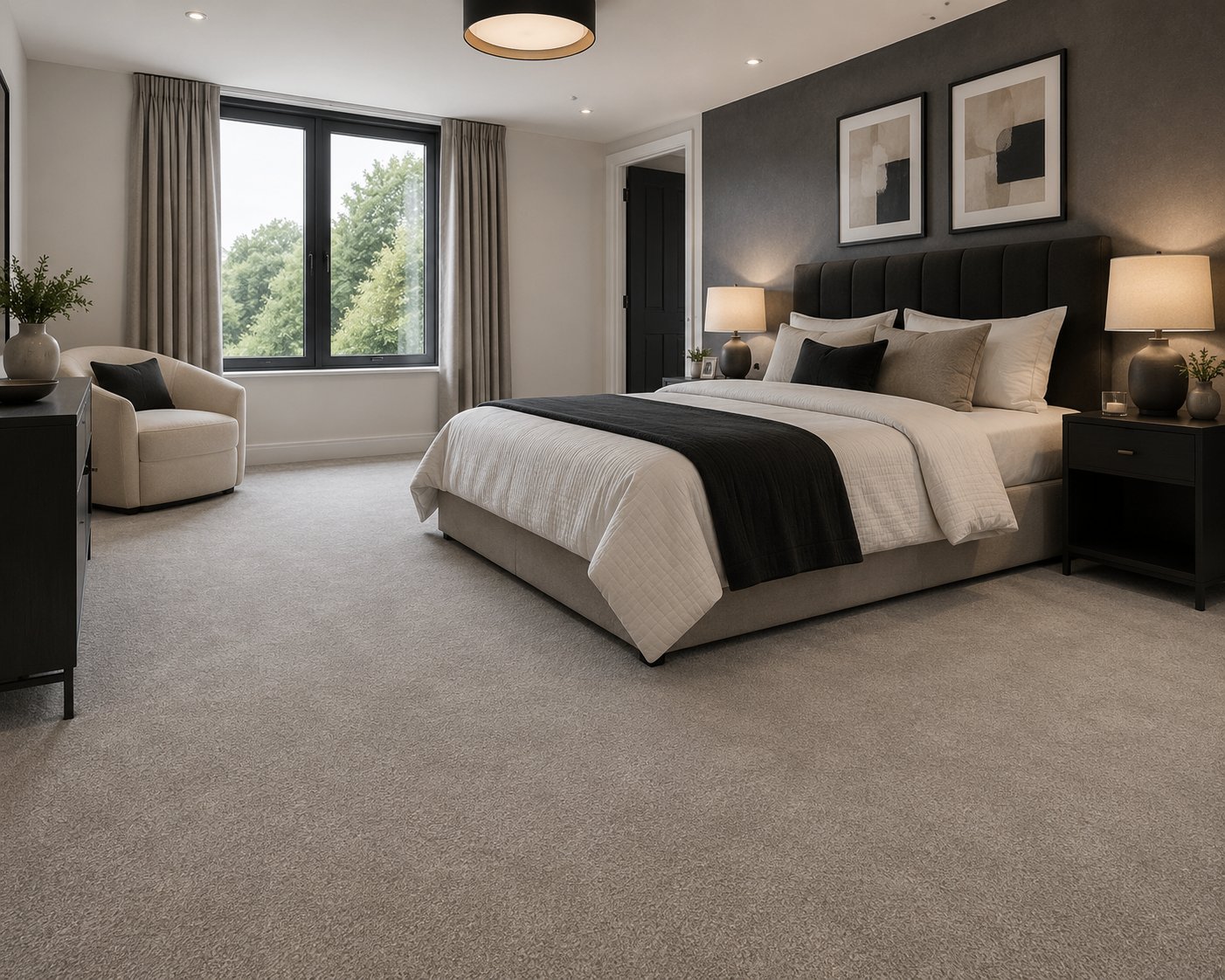
Acoustic Underlay for Flats and Apartments
Why flats often need acoustic underlay for sound insulation, how ratings work, and what to check before choosing flooring.
Many leases and building regulations require flooring in flats — particularly above another occupied dwelling — to meet a minimum standard of impact sound insulation. Acoustic underlay is designed specifically to reduce footfall noise transmitted through the floor structure, and getting the wrong underlay (or skipping it) can breach lease terms even if the flooring itself looks fine.
It's worth checking your lease or management company's requirements before choosing flooring, since some specify a particular sound reduction value rather than leaving the choice open.
Complaints usually surface only after the new floor has been down for a few weeks, once the downstairs neighbour has lived with it through everyday use — someone walking in hard shoes, a dog on laminate, a chair scraping on hard flooring. By that point the carpet has often gone to the tip and swapping the underlay means lifting a floor that's only just gone in, which is a far more disruptive and costly fix than specifying the right underlay from the outset.
It's also worth knowing that a lease clause typically applies to a completed floor build-up, not to the underlay in isolation — the flooring on top, the way it's fixed, and even the skirting detail all affect the result achieved on the day, not just which roll of underlay was bought.
What acoustic underlay actually does
Acoustic underlay reduces impact noise — footsteps, dropped objects — by absorbing vibration before it transfers into the floor structure and the ceiling of the flat below. It's a different job from thermal underlay, which is about heat retention, though some products offer a degree of both.
The way it achieves this is essentially about decoupling: a resilient layer between the hard flooring surface and the structural floor gives impact energy somewhere to be absorbed rather than travelling straight through as a solid connection. Density and thickness both play a part, but so does consistency — a soft, springy underlay that compresses unevenly under furniture legs or a floating floor's locking joints can actually undermine the very isolation it's meant to provide.
Sound insulation ratings explained
Acoustic performance is often expressed as an Impact Sound Reduction (ΔLw) figure in decibels — the higher the number, the more impact noise is reduced. Leases sometimes specify a minimum ΔLw value, so it's worth having your lease document handy so the underlay can be matched to what's actually required, not just a general 'acoustic' label.
It matters that this figure normally comes from laboratory testing of the underlay combined with a specific flooring type on a specific base floor construction — a manufacturer's ΔLw rating quoted with a timber joist floor doesn't automatically transfer to a concrete plank floor, and vice versa. Where a lease is strict about this, it's worth asking whether the test data behind the figure matches your actual floor construction, not just whether the number itself looks high enough.
Materials commonly used in acoustic underlay
- Recycled rubber crumb — dense, durable, and a common choice under laminate and engineered wood
- Crosslinked foam — lighter and often combined with an integral damp-proof membrane for laminate
- Cork — a traditional resilient layer, sometimes used under engineered wood or as a screed-bonded layer
- Fibre-based or felt underlays — used mainly under carpet, offering both comfort and impact absorption
Why underlay alone doesn't guarantee compliance
A common misunderstanding is treating acoustic underlay as a box-ticking purchase on its own. In reality, the finished result depends on the whole build-up: how the perimeter is detailed against the skirting, whether the floor is floated or fixed through into the subfloor, and whether pipe boxing or other rigid connections create a bridge that carries sound around the underlay rather than through it. A fitter who understands this will treat the junctions and fixings with the same care as the underlay choice itself, rather than assuming the product on the roll does all the work unaided.
Underlay type versus common flooring choices
| Flooring | Underlay consideration |
|---|---|
| Laminate | Combined acoustic/damp-proof underlay commonly used |
| Engineered wood | Acoustic underlay or acoustic-rated adhesive, depending on fitting method |
| LVT / vinyl | Acoustic underlayment membranes available for click LVT |
| Carpet | Often has good natural sound insulation but check lease minimums |
Fitting method affects acoustic performance too
A floating floor with acoustic underlay performs differently to a floor bonded directly to the subfloor, and how the floor meets the skirting matters as well — sound can bridge through gaps or fixings that touch the subfloor directly, undermining an otherwise good underlay choice.
Checking compliance before you commit
If your lease specifies a sound rating, ask for written confirmation of the ΔLw achieved by the chosen flooring and underlay combination, as some management companies request this as evidence after fitting.
Frequently asked questions
- Does every flat need acoustic underlay?
- Not necessarily, but many leasehold flats — especially above other occupied units — have a lease clause requiring a minimum standard, so it's worth checking your documents before choosing flooring.
- Can carpet avoid the need for acoustic underlay?
- Carpet with a good quality underlay often performs well acoustically, but if your lease specifies a minimum ΔLw value, it still needs checking against that figure rather than assumed.
- Will acoustic underlay affect how the floor feels underfoot?
- Acoustic underlays are generally denser than standard underlay, which most people find comfortable, though very soft acoustic underlay can occasionally affect the stability of click-fit flooring if not matched correctly.
- Do you provide documentation of the sound rating used?
- We can confirm the specification of underlay and flooring used on your job, which you can pass to your management company if evidence is requested.
Keep reading
Which flooring types work well over underfloor heating, thermal considerations, and how commissioning affects fitting timescales.
A plain-English guide to carpet fibre types, pile weight and underlay tog values, and how they affect feel and durability.
A guide to the main flooring adhesive types used for LVT, vinyl, wood and carpet, and why the right choice depends on the subfloor.
What underlay is, what it is made of, what it does under carpet, laminate and LVT, and when a floor needs none at all. A plain answer before you buy.
See how we survey, prepare and fit laminate across Kent.
See how we survey, prepare and fit engineered wood across Kent.
Talk it through with a fitter, not a call centre
Book a free, no-obligation survey with Kent Flooring Warehouse and our in-house fitting team will check your subfloor and confirm the right acoustic underlay specification before you commit to anything — call 07702 737267.